Tuning, Maintenance and Repair
Serving Halton and Surrounding Areas

Serving Halton and Surrounding Areas
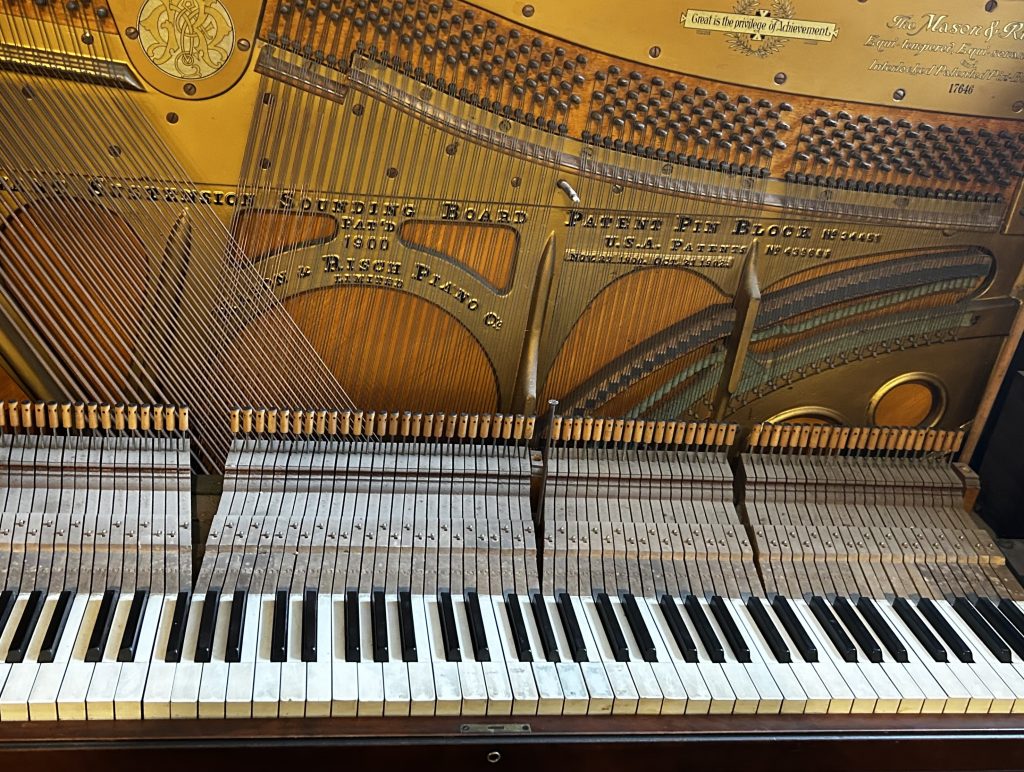
The piano is an instrument over 300 years old and if we trace its heritage back to instruments that use similar mechanics—such as hammers hitting strings or using keys to trigger mechanisms to produce sound—it can be traced back to the 11th century.
It’s a heritage to be respected and every piano I work on I keep that heritage in mind. The piano can be many different things to different people. It’s used to play, learn, create and entertain. The piano is also an aesthetically pleasing piece of furniture and in some cases an heirloom that reminds us of our own heritage.
Whether it is 100 years old or brand new, when you invite me to service your piano it is an honour to do so and will treat it as if it were my own.
Whether your piano is in your home, school, concert hall or lounge regular tuning and maintenance keep it in fine working order.
Standard Tuning: This for pianos that have been tuned regularly (at least once a year). A light cleaning will be performed as well as an inspection of the action, keys and other moving parts to ensure everything is working as it should. $150
Pitch Raise: If a piano has not been tuned in over a year it may require a pitch raise to bring it back into tune. This would be determined at time of tuning and is added to the Standard Tuning fee. $50 – $100
Maintenance and Repair Services:
Services include repair to action parts (internal parts that trigger the hammers to hit the strings) and keys, cleaning and other repairs. Please contact for information and pricing.
Humidity Control:
Some manufactures recommend that pianos be in a room with a stable humidity level greater than 30% and less than 70%. Stability is not always possible. In order to maintain environmental stability, which keeps your piano tuning stable, sounding great and not as susceptible to the damage and stress of seasonal changes in humidity, you may want to consider the Piano Life Saver humidity control system. For more information or a quote, click here.

CERTIFIED INSTALLER
Regulation:
Like most parts of the piano, the combination of playing and changes in environment can cause wear and change the way the parts interact with one another. The inner workings of the piano from the striking of the key, to the pushing of the hammer, to the way the hammer contacts the string are all related. If one aspect changes, the feel and the tone can change. Regulation is the process of making several adjustments to all the moving parts of each note from the levelling the keys to the adjustment of the distance of the hammer to the string.
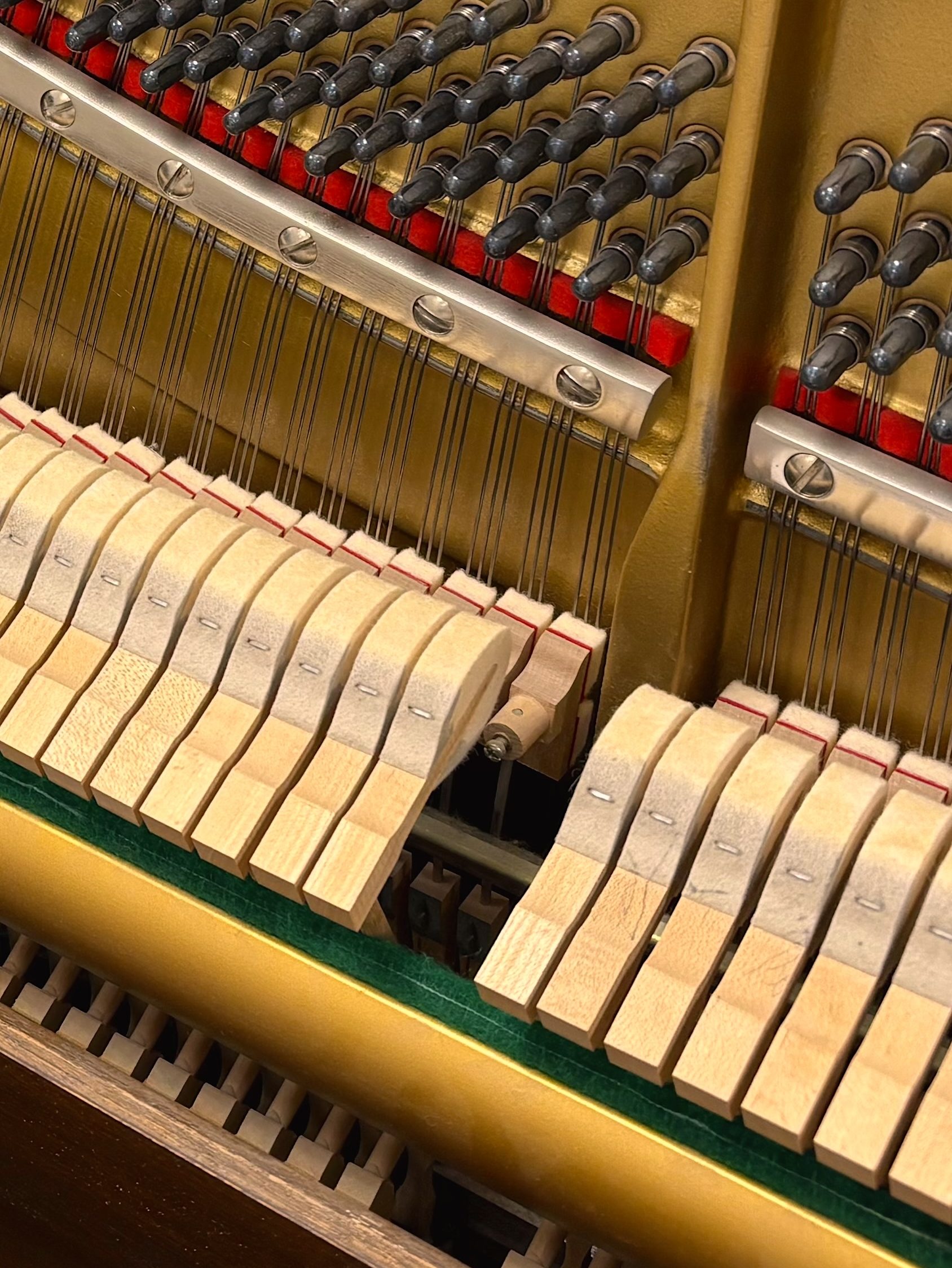
The hammers of your piano are made of felt and if you have ever looked at them, you may notice grooves where the hammer makes contact with the string. Every time the hammer strikes the string the felt under these grooves compacts and eventually the shape of the hammer changes. As a result the sound of the piano changes, the notes may not ring out or sustain as long, have a metallic or harsh sound and not have the dynamic range you desire. To correct this the hammers are filed and needled. This changes how the strings reacts to the hammer creating a revitalized tone and dynamic range.